
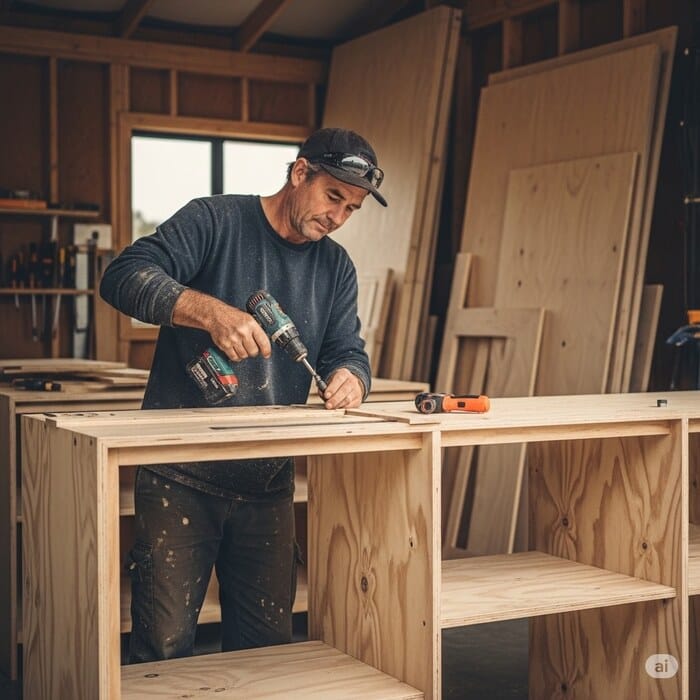
If you’ve tried pricing plywood in New Zealand lately, you’ve probably hit the same wall most builders and DIYers do: wildly inconsistent quotes. One supplier looks cheap—until you realise it’s raw sheets only. Another seems expensive—until you factor in precision cutting and reduced waste.
So what’s the real cost of plywood in NZ in 2026?
This guide breaks it down from a practical, on-the-ground perspective—based on how projects actually run, not just listed prices. If you’re building cabinets, managing a job site, or sourcing materials in bulk, this will help you make decisions that hold up financially.
Quick Answers (For Fast Decision-Makers)
• Typical plywood cost in NZ (2026):
Around $40 to $180+ per sheet, depending on grade, thickness, and finish.
• Budget option:
Structural plywood starts at about $40–$70.
• Best for cabinetry:
Cabinet-grade or melamine plywood ranges from $90–$180+.
• Is MDF cheaper?
Yes—usually 20–40% less, but with trade-offs in durability.
• How to actually save money:
Focus on cut accuracy, material fit, and waste reduction, not just sheet price.
Real Plywood Prices in NZ (2026 Breakdown)
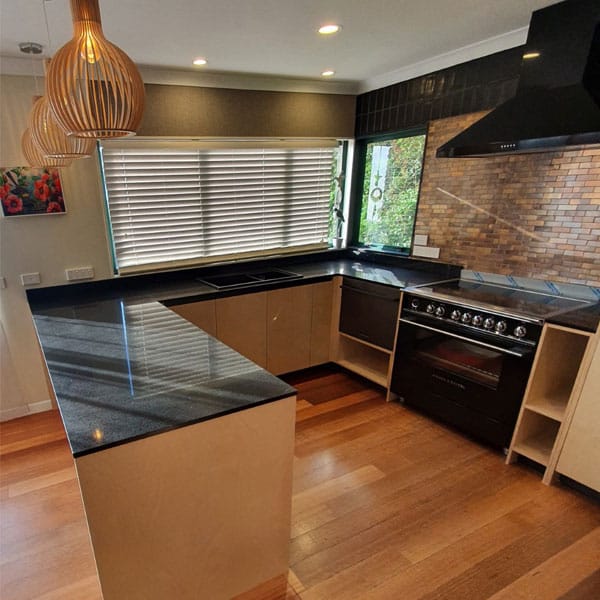
Here’s a realistic pricing range you’ll see across most suppliers:
Type of Plywood Thickness Typical Price Range
Structural plywood 12mm–18mm $40 – $90
Marine plywood 12mm–18mm $90 – $180+
Cabinet-grade plywood 16mm–18mm $80 – $150
Melamine plywood 16mm–18mm $100 – $180+
Premium/black plywood 18mm+ $120 – $200+
At first glance, it looks simple. But here’s the reality: these prices rarely tell the full story.
Because once you add:
• Surface finishes
• Moisture resistance
• Cutting services
• Delivery
• Wastage
…the actual cost of your project shifts significantly.
What Really Drives Plywood Pricing
After working with suppliers and contractors over the years, the biggest pricing differences usually come down to five factors.
1. Grade and Core Quality
Not all plywood is built the same internally.
• Structural (CD grade): Affordable, rough finish
• Cabinet-grade (BB/BB): Smoother, more consistent, fewer voids
Higher-grade plywood costs more upfront—but saves time during finishing and installation.
2. Thickness
Thickness isn’t just about strength—it’s about application.
• 12mm: Budget-friendly, lighter-duty use
• 16mm–18mm: Standard for cabinets and furniture
Thicker boards cost more, but cutting corners here often leads to structural issues later.
3. Surface Finish
This is where prices jump fast.
• Raw plywood: Cheapest, but requires finishing
• Melamine-faced: Ready to install, no painting needed
If you factor in labour and materials, pre-finished boards often end up being the better value.
4. Cutting and Processing
This is one of the most overlooked cost factors.
• Manual cutting = cheaper upfront, but more waste
• Precision cutting (CNC) = higher initial cost, but cleaner execution
If your cuts are off—even slightly—you’re paying for mistakes in both time and materials.
5. Supplier Type
Where you buy matters.
• Big-box stores: basic stock, limited services
• Specialist suppliers: better materials, cutting options, and consistency
The cheapest supplier on paper isn’t always the cheapest in practice.
Hidden Costs Most Buyers Ignore (But Shouldn’t)
Here’s where most estimates quietly go off-track.
When people compare plywood prices, they usually look at the per-sheet cost only. But in real projects, especially in kitchens, fit-outs, or cabinetry, there are hidden cost layers that don’t show up on the quote—until it’s too late.
1. Wastage from Poor Planning
If you’re cutting sheets manually without an optimized layout, you can easily lose 10–25% of material. That’s not small—on a $1,000 material budget, that’s up to $250 wasted.
2. Rework Due to Inconsistent Quality
Lower-grade plywood often has:
• Internal voids
• Uneven thickness
• Surface defects
These issues slow down installation and sometimes force full panel replacements.
3. Labour Time Inflation
A poorly cut sheet doesn’t just look bad—it adds labor hours.
Extra sanding, recutting, adjusting—all of that eats into your margins fast.
4. Transport and Handling Damage
Cheaper suppliers sometimes compromise on storage or handling. Slight warping or edge damage during transport can make sheets unusable for precision work.
5. Finish and Post-Processing Costs
Raw plywood might look cheaper, but once you add:
• Sanding
• Sealing
• Painting or laminating
…the cost gap between raw and pre-finished (like melamine) shrinks quickly.
Practical Insight:
Experienced builders don’t just ask “How much per sheet?”
They ask:
“How much usable material am I actually getting—and how much extra work will this create?”
Why “Cheap Plywood” Often Costs More
Here’s something many first-time buyers learn the hard way.
A contractor once opted for cheaper plywood on a kitchen project. He saved a couple of hundred dollars up front. But then:
• Panels warped
• Cuts weren’t clean
• Installation slowed down
• Extra labour piled up
By the end of the job, the “cheap” choice cost significantly more than if he had gone with better material from the start.
Lesson:
The real cost of plywood isn’t the sheet—it’s everything that happens after you buy it.
Best Plywood for Kitchen Cabinets in NZ
If you’re working on cabinetry, material choice matters more than anywhere else.
Recommended Options
Cabinet-Grade Plywood
• Strong internal structure
• Smooth, consistent finish
• Ideal for painting or laminating
Melamine Plywood
• Pre-finished surface
• Clean, modern appearance
• Saves time on finishing
MDF vs Plywood (Practical Comparison)
Material Cost, Durability, Best Use
MDF Lower Medium Budget interiors
Plywood Higher High Kitchens, long-term builds
MDF has its place—but in moisture-prone environments like kitchens, plywood is the safer long-term investment.
CNC Cutting Services: The Hidden ROI
If you’re serious about efficiency, this is where things get interesting.
What It Does
CNC (computer-controlled cutting) allows for:
• Precise dimensions
• Repeatable accuracy
• Clean edges
Typical Cost
• Around $80–$150/hour or project-based pricing
Why It Matters
• Reduces material waste
• Speeds up installation
• Improves final finish
For projects like flatpack kitchens or bulk cabinetry, CNC isn’t an expense—it’s a cost control tool.
Where Most People Go Wrong
After years in this space, the same mistakes keep showing up:
• Choosing materials based on price alone
• Ignoring cutting precision
• Over-specifying (e.g., using marine plywood unnecessarily)
• Underestimating labor costs
The pattern is clear:
People optimize for the wrong variable.
Smart Ways to Save on Plywood in 2026
If you want real savings—not just lower invoices—focus here:
1. Buy for the Application
Don’t use premium materials where they’re not needed.
2. Reduce Waste
Accurate cutting can eliminate costly offcuts.
3. Think in Total Project Cost
Material + labor + time = real cost
Not just the price per sheet.
4. Use Pre-Finished Options When Possible
Skipping painting and finishing can save both time and money.
5. Work with the Right Supplier
A good supplier doesn’t just sell plywood—they help you avoid mistakes.
Types of Plywood (Quick Overview)
Here’s a simplified breakdown:
• Structural plywood: Budget-friendly, used in framing
• Marine plywood: Water-resistant, for high-moisture areas
• Cabinet-grade: Smooth, ideal for interiors
• Melamine plywood: Pre-finished, popular in kitchens
Choosing the right type is more important than finding the cheapest option.
Common Questions (Answered Clearly)
How much does plywood cost in NZ?
Typically between $40 and $180+ per sheet, depending on type and finish.
What’s best for cabinets?
Cabinet-grade or melamine plywood offers the best balance of durability and finish.
Is MDF worth considering?
Yes—for budget builds. But for kitchens and long-term durability, plywood is the better choice.
What thickness should I use for cabinets?
Most projects use 16mm to 18mm as the standard.
Does precision cutting really save money?
Yes—by reducing waste, speeding up installs, and improving accuracy.
The Bigger Picture (Why This Matters in 2026)
People are no longer just asking:
“How much is plywood?”
They’re asking:
“What’s the smartest way to build this without wasting time or money?”
And that shift matters.
Because the winners—whether builders, contractors, or suppliers—are the ones who think beyond material cost and focus on total efficiency.
Final Insight: Buy Smart, Not Just Cheap
Here’s the reality, most people only realise after a few projects:
• Cheap materials can slow you down
• Poor cuts create expensive mistakes
• Wrong choices lead to rework
The real ROI comes from:
• Choosing the right material
• Getting accurate cuts
• Minimizing waste
• Finishing faster
That’s how experienced builders operate—and it’s why their projects stay profitable.
Bottom Line
In 2026, plywood pricing in NZ isn’t just about dollars per sheet.
It’s about:
• Efficiency
• Accuracy
• Long-term durability
So before you buy, ask yourself:
Will this save me money across the entire project—or just at checkout?
Because that one decision often determines whether you stay on budget—or quietly go over it.